How To Maintain a Balanced Diet as a Vegan
Veganism involves eliminating all animal products from your diet, focusing instead on plant-based foods like fruits, vegetables, grains, and legumes. While this lifestyle offers numerous health and environmental benefits, maintaining proper nutritional balance requires thoughtful planning. Let’s explore how to maintain a balanced diet as a vegan.
Embrace a Rainbow of Fruits and Vegetables
Variety is the cornerstone of vegan nutrition. Different colored fruits and vegetables provide unique vitamins, minerals, and antioxidants that your body needs to function optimally. Dark leafy greens deliver iron and folate, while orange vegetables like carrots and sweet potatoes provide beta-carotene. Aim to fill half your plate with colorful produce at each meal to ensure you’re getting a wide spectrum of nutrients.
Make Legumes Your Protein Powerhouse
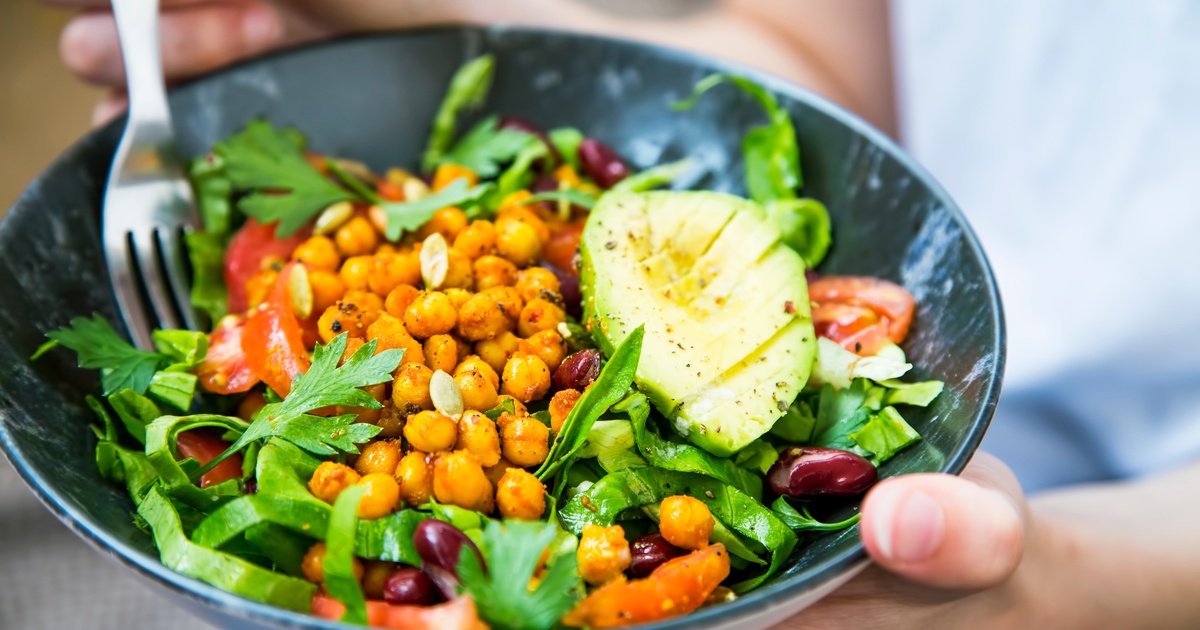
Beans, lentils, chickpeas, and peas are nutritional goldmines for vegans. These foods provide substantial protein, typically containing 15 to 18 grams per cup when cooked. They’re also rich in fiber, iron, and B vitamins. Incorporate different varieties throughout the week to keep meals interesting while meeting your protein requirements.
Choose Whole Grains Over Refined Options
Whole grains such as quinoa, brown rice, oats, and whole wheat bread provide lasting energy and vital nutrients often missing in refined grains. These foods offer B vitamins, fiber, and minerals that support digestive health and steady blood sugar levels. Replace white rice and refined bread with whole-grain alternatives to maximize nutritional value.
Include Healthy Fats Daily
Nuts, seeds, avocados, and olive oil provide essential fatty acids that support brain function and nutrient absorption. These healthy fats help preserve and transport fat-soluble vitamins throughout your body. Add a handful of walnuts to your morning oatmeal or include tahini in your afternoon snack.
Supplement Strategically
Certain nutrients are challenging to obtain from plant sources alone. Vitamin B12 is particularly important since you primarily find it in animal products. Consider supplementing B12, vitamin D, and omega-3 fatty acids after consulting with a healthcare provider to determine your specific needs.
Plan Your Meals Thoughtfully
Meal planning prevents nutritional gaps and reduces reliance on processed foods. When shopping for fresh produce, consider how proper packaging helps preserve food products to maintain nutritional value. Plan each meal to include protein, healthy fats, and complex carbohydrates for optimal balance.
Stay Properly Hydrated
Water supports every bodily function and becomes even more important when consuming a high-fiber vegan diet. Aim for eight glasses daily to support digestion and nutrient transport throughout your body.
Maintaining a balanced diet as a vegan is entirely achievable with proper planning and knowledge. Consider consulting with a registered dietitian who specializes in plant-based nutrition to create a personalized plan that meets your unique needs and lifestyle.