5 Ethical Design Moves for Tiny, Cozy Rooms
Designing a small room isn’t just about saving space. It’s a chance to align your home with your values. For anyone embracing plant-based living and mindful consumption, designing small spaces ethically means choosing materials and layouts that feel cozy, low-waste, and cruelty-free.
Here are five vegan-friendly design moves that make tiny rooms more comfortable and more intentional, without overbuying or overcomplicating the process.
1. Choose Truly Vegan Materials
A lot of “cozy” decor still leans on animal-derived materials like wool rugs, leather accents, silk, and down-filled cushions. Even when something looks plant-based, trim and finishes can sneak in animal components.
For a tiny room, keep it simple. Choose a few reliable, clearly vegan materials and repeat them throughout the space. Great go-tos include organic cotton, hemp, linen, cork, jute, and recycled polyester. Lighter-toned natural fibers can also reflect light, helping small rooms feel more open.
2. Pick Low-Odor, Low-VOC Finishes for Small Spaces
In compact rooms, smells and fumes linger longer, especially after painting, sealing, or installing anything adhesive. Choosing low-VOC paints and water-based finishes is a practical way to keep a small room more comfortable while you’re living in it.
If you’re repainting or refreshing furniture, plan for airflow: open windows, run a fan, and give textiles time to air out before you bring them into a tight space.
3. Add Plants Vertically
Plants can do more than fill an empty corner. They can make a room feel softer and more lived-in without adding clutter. Research suggests that interacting with indoor plants may help reduce psychological stress.
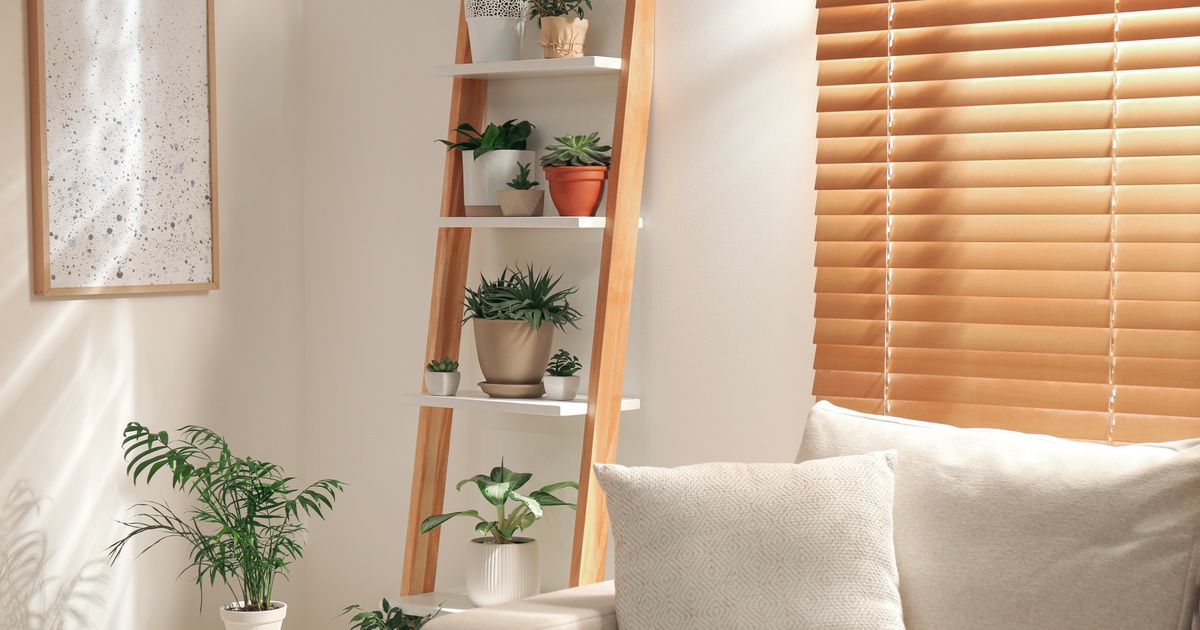
In tiny rooms, incorporate plants vertically: hang a plant near a window, use a slim wall shelf, or place one statement plant on a stool that doubles as a side table. If the room doesn’t get much light, pick hardy, low-light options like pothos or snake plant.
4. Design for Multi-Use Living
Small rooms feel cozy when they’re functional—not stuffed. A simple guideline is the two-job rule: if something takes up real space, it should do at least two things. Think storage ottoman + seating, fold-down desk + dining surface, or a bench that hides baskets underneath.
This is where layout matters more than décor: a quick zoning sketch helps tiny rooms flow better, and the same thinking shows up in sustainable ADU layouts where every square foot has to earn its keep.
5. Layer Cozy, Plant-Based Textures
Comfort doesn’t require animal-based materials. You can create warmth with plant-based throws, woven wall hangings, cotton slipcovers, and recycled-fiber cushions. Keep the palette grounded in calm, nature-inspired tones like sand, clay, sage, or warm white.
To make a tiny room feel finished, aim for three texture layers:
- something soft (throw or cushion)
- something woven (basket, wall piece)
- something smooth (wood, cork, or a simple lamp base)
Incorporating Choices That Match Your Values
Designing small spaces ethically isn’t about perfection; it’s about making a few clear choices that reflect compassion, sustainability, and mindful living. When the room is small, every choice stands out, so even small upgrades can make the whole space feel better.