The Rules of Separation on a BBQ Grill for Vegetables
Whether preparing a summer BBQ, a cozy family dinner, or a vegan-friendly feast, properly grilled vegetables can serve as a star dish or a perfect complement to your other creations. From crisp bell peppers and tender zucchini to smoky eggplant and perfectly charred corn, each vegetable offers unique textures and tastes you can elevate with the right grilling techniques. Achieving this takes careful preparation, attention to detail, and knowing the rules of separation on a BBQ grill for vegetables.
Preheat and Clean Your Grill
Before placing any vegetables on a BBQ grill, preheat the grill and thoroughly clean the grates. Preheating ensures the grill reaches an ideal temperature for cooking and helps prevent the vegetables from sticking. A clean grill provides a fresh surface and promotes proper heat distribution, setting the stage for successful grilling.
Use Skewers or Grill Baskets for Smaller Vegetables
One effective rule for maintaining separation when grilling smaller or cut vegetables is to use specialized tools such as skewers or grill baskets. Cherry tomatoes, sliced zucchini, or chopped bell peppers are prone to falling through the grates. Threading them onto skewers or placing them in a grill basket ensures they stay contained while cooking. This also helps you turn them easily without breaking or losing pieces, ensuring they’re evenly cooked without sticking or charring.
Select the Right Grill for Consistent Results
The type of grill you use significantly impacts the outcome of your grilled vegetables. A high-quality grill with consistent heat distribution will make all the difference. Choosing a built-in gas grill based on your cooking needs ensures optimal results and ample cooking space. These grills also provide convenience and efficiency, making them ideal for frequent grillers who value a reliable and consistent cooking setup.
Sort Vegetables by Cooking Time
Different vegetables cook at varying speeds, so grouping them by cooking time is essential. Denser vegetables, such as carrots and potatoes, require more time on the grill than softer ones, such as mushrooms or asparagus. Keeping similar vegetables together prevents overcooking or undercooking certain pieces. This thoughtful separation preserves each vegetable’s consistent texture and flavor but also simplifies the grilling process.
Avoid Overcrowding to Maintain Heat Circulation
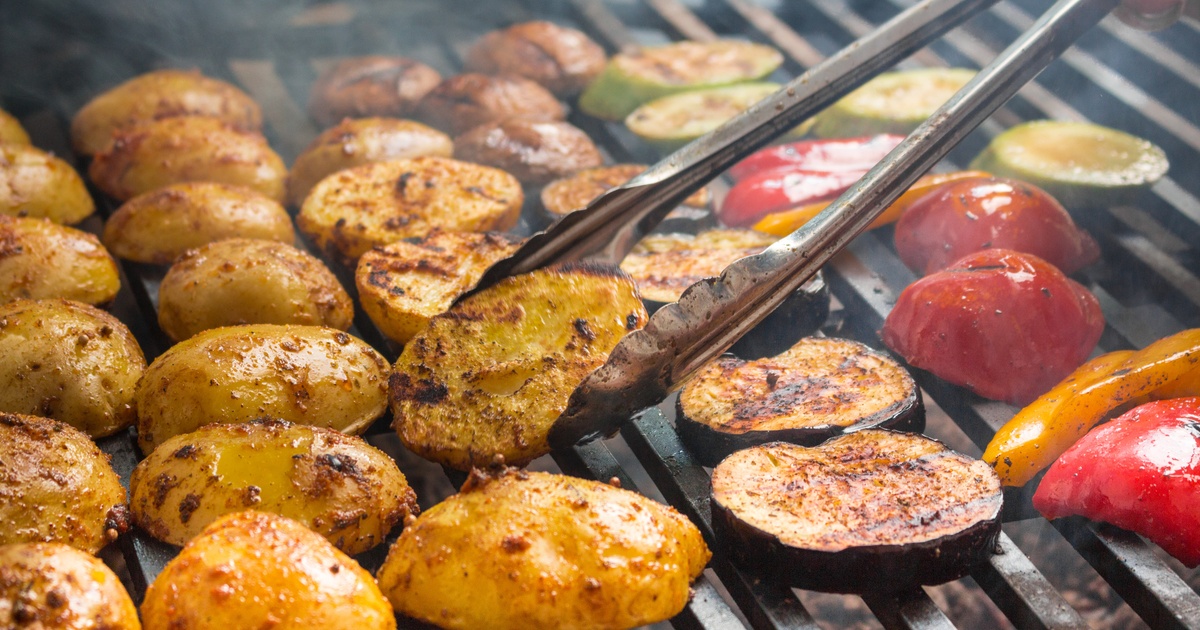
Overcrowding vegetables on the grill is a common mistake that can hinder their cooking. With too many vegetables, heat circulation becomes uneven, and the vegetables may end up steaming rather than grilling. Leave adequate space between pieces to allow the heat and smoke to surround them. This separation enhances caramelization, giving the vegetables classic grill marks and smoky flavor.
Mastering the rules of separation on a BBQ grill for vegetables is essential for ensuring a delightful and satisfying barbecue experience. These simple yet effective strategies will enhance the quality of your grilled vegetables, making the process more enjoyable and efficient.